Pest Control: Efficient Techniques to Safeguard Your Household and Business
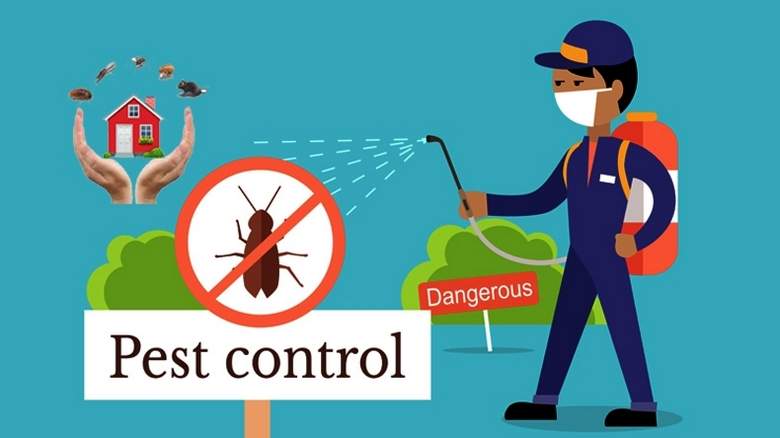
Pest Control: Successful Approaches to Guard Your Dwelling and Establishment
Introduction to Pest Control
Pest Control refers to the handling or organization of life forms classified as pests – organisms that harmfully modify individual's activities or areas. In New Jersey, in which multiple natural systems converge with urban-adjacent and urban expansion, productive Pest Control is not just a extravagance but a requirement for ensuring clean dwelling and working environments. From the expansive neighborhoods of Monmouth County to the connected neighborhoods of Matawan, pest issues can affect anyone, irrespective of how hygienic or carefully tended their home may be.
The significance of adopting efficient Pest Control techniques can't be overstated. For house owners, pests can deteriorate framework soundness, pollute food reserves, and introduce substantial health dangers. Commercial entities meet these same hurdles, with the increased anxiety of prestige destruction and possible loss of patrons if invasions are identified. Typical pests in New Jersey incorporate vermin like rats and mice, numerous creepy crawlies such as ants, cockroaches, and bed bugs, and the exceptionally harmful termites that can stealthily damage a building's underpinning.
For What Reason Pest Control Is Important
Health Hazards of Pest Control Chemicals
Several pests carry and convey disorders that can trouble people and pets. Vermin are recognized hosts of hantavirus, salmonella, and leptospirosis. Cockroaches can prompt asthma attacks and sensitized sensitivities, specifically in kids. Ticks, plentiful in New Jersey's forested regions, are famous for disseminating Lyme disease, while mosquitoes can pass on West Nile virus and Eastern Equine Encephalitis. Specialized Pest Control facilitates minimize these health hazards by exterminating the root of these possible disease agents.
Property Destruction in Pest Control
The framework injury caused by pests can be substantial and pricey. Termites exclusively trigger over $5 billion in real estate injury every year throughout the United States, with New Jersey homes being particularly exposed due to the state's environmental conditions. Vermin can bite through electrical cords, generating fire dangers, while get more info their continuous biting can destroy weatherproofing, pipes, and wooden structural parts. Even outwardly benign ants can weaken wooden structures if allowed unprocessed, mainly carpenter ants which are common in Monmouth County.
Financial Ramifications of Pest Control Services
Overlooking pest outbreaks can lead to noteworthy pecuniary consequences. What can initiate as a insignificant invasion requiring simple treatment can quickly increase into a considerable trouble demanding thorough remediation. For companies, especially those in the food business or tourism businesses, pest problems can create flunked health reviews, momentary suspensions, and persistent destruction to prestige and client faith. Putting money in regular Pest Control is not merely about instant satisfaction—it's a sustained economic safeguard.
Pest Control: Frequent Family and Company Pests
Small Mammals (Rats and Mice)
When it concerns identifying rodent infestations in your New Jersey home, watchfulness is vital. You might notice waste near food stocks, in cabinets, or below sinks. Bite marks on food covering, wooden materials, and electrical cables are telltale evidence of their presence. At after dark, you may catch abrasive clamors in partitions, overhead surfaces, or under floors as these night-time organisms become animated. If you find shelters constructed from torn documents, cloth, or dried plant matter, that's a apparent indication rodents have built themselves settled. Oily rub marks across baseboards and barriers manifest as rodents adopt the identical paths repeatedly, while your pets may display atypical actions such as barking or scratching at locations below instruments or pieces where rodents conceal.
Small mammals in New Jersey homes and organizations establish various menaces outside simple disturbance. They can spoil food and cooking planes with pathogens contained in their pee and waste. Their continuous urge to chew can ruin property, especially cables, which causes fire hazards. In Matawan and surrounding locations, the Norway rat and house mouse are particularly problematic, flourishing in both urban and bedroom community locations. Powerful Pest Control measures are crucial to take care of these harmful intruders.
Insects (Ants, Cockroaches, Bed Bugs)
Arthropod outbreaks reveal themselves in different fashions relative to the species. Ant predicaments evolve into apparent when you witness visible ant routes heading toward food reserves, or when you discover diminutive stacks of ground or wood fragments made by carpenter ants. Cockroach invasions often exhibit themselves through dark droppings reminiscent of coffee grounds or black pepper, a particular stale fragrance that pervades infested zones, and the presence of egg capsules in secret corners. Bed bug predicaments materialize as rust-colored blotches on mattresses and furnishings, shed skins near resting spots, diminutive blood spots on sheets, and irritating red elevations on skin ordinarily organized in a string or assembly.
Insects embody the most various category of pests in New Jersey. Cockroaches can cause asthma and allergies while dispersing numerous microorganisms. Bed bugs, while not disease spreaders, cause significant irritation, sleep intrusion, and emotional trouble. Special ant kinds, like carpenter ants typical in Monmouth County's wooded spots, can generate foundational destruction equal to termites during time. Specialized Pest Control businesses can distinguish certain insect breeds and implement targeted treatment tactics that handle the distinctive practices and exposures of each pest.
Termites
Finding termite action soon requires recognizing the slight symptoms of their presence. You can see abandoned wings near windows and access points after swarmers have identified a mate and founded a new population. Mud tubes on external surfaces, wooden beams, or in crawl areas work as sheltered highways for these harmful arthropods. Wood that echoes cavernous when rapped indicates termites have been consuming from within. Access points and casements that quickly cling may demonstrate warping from termite deterioration, while fractured or swelling paint akin to water injury often covers termite behavior under. Detecting frass—termite pellets resembling minuscule wood-colored fragments—gives another verification of their undesired being.
Termites present perhaps the most substantial skeletal danger within all usual pests. In New Jersey, the Eastern subterranean termite is pervasive and particularly destructive. These organisms can persist unsensed for spans while making widespread devastation to wooden structural constituents. Homes in Matawan and across Monmouth County, mainly older buildings, are vulnerable to termite incursions. The usual charge of term pest control.
Pest Control Safety Factors
Secure Utilization of Products and Products in Pest Control
When chemicals turn needed in your pest control strategy, prioritizing safety requires focus to numerous crucial procedures that protect people, pets, and the environment. Consistently read and comply with label instructions exactly, as these binding guidelines demonstrate extensive examination and regulatory evaluation created to limit risks. Use the least effective amount of product to reach control while limiting excess substance addition into your residential space. Use products only in zones stated on the label, preventing unauthorized treatments that may cause unexpected dangers or reduce performance. Don suitable protective equipment as designated by product companies to eliminate direct exposure during use. Maintain chemicals in their factory bottles with directions undamaged to maintain availability to security data and stop mix-ups. Maintain comprehensive notes of all uses, recording products applied, dilution ratios, locations applied to, and schedules of use for later consultation. Allow adequate setting and airflow before returning to serviced areas, specifically crucial in New Jersey's conditions where humidity can alter curing periods. Think about less-toxic substitutes when successful, as advances in pest control have created many lower-toxicity alternatives that maintain performance while minimizing likely hazards.
Safeguarding Companions and Kids During Pest Control Treatments
Particular precautions become vital when executing pest control steps in dwellings with sensitive family members. Relocate pets throughout service and until surfaces are dry to stop immediate exposure with moist substances or fumes that could produce negative effects. Protect or relocate pet nutrition, drinking dishes, and items before service to eliminate contamination that could result in accidental ingestion. Store children's playthings away from service zones, specifically items that small children might put in their mouths. Wash and clean meal making counters after application, even if they weren't immediately serviced, to eradicate any residues that might have settled during application. Ensure young ones apart from serviced locations for the recommended time, extending this period for mobile toddlers who have increased direct exposure with surfaces and lower surfaces. Think about pet-safe and kid-friendly chemical choices when accessible, as many recent chemicals target particular pest anatomy while minimizing mammalian toxicity. Most importantly, notify qualified specialists about the presence of companions, kids, or expecting home individuals before they design application strategies, allowing them to change methods and substance selections appropriately.
Official Guidelines and Compliance with Pest Control
Pest control in New Jersey works within a regulatory system intended to protect community health and the environment while guaranteeing efficient pest control. The New Jersey Department of Environmental Protection oversees pest management operations, necessitating expert pest control businesses to fulfill specific specifications. Firms must hire certified applicators who have completed official examinations showing proficiency in pest science, application procedures, and safety guidelines. These firms must preserve correct protection coverage protecting both their technicians and their clients from potential harm or injuries related to pest control activities. Rigid standards oversee product storage, transportation, and elimination to prevent natural pollution and unauthorized availability. Experts must provide Safety Data Sheets upon request, noting the features and risks of products employed in services. Alert standards pertain for specific applications, especially in multi-unit residences or business areas with many residents. Detailed service records must be maintained, building an inspection trail of pest elimination operations. Moreover, only substances authorized for use in New Jersey may be officially utilized, confirming that local ecological conditions and environments have been evaluated in the approval system. For business properties in Matawan and throughout Monmouth County, extra requirements may be relevant relying on the industry, specifically for food industry, health, and daycare establishments where pest elimination overlaps with additional public wellness considerations.
Environmentally-Friendly Pest Control Solutions
Integrated Pest Control (IPM) Method
Integrated Pest Management embodies the gold standard in modern pest control, focusing on extended deterrence through a combination of techniques that limit environmental effect while increasing efficiency. The IPM process commences with comprehensive examination and surveillance to identify pest infestation correctly, forming baseline data about kinds existing and population levels. This leads to precise identification of pest kinds, making certain management actions address certain habits and weaknesses rather than applying broad procedures. Professionals determine level levels that require treatment, acknowledging that the mere occurrence of a small number of insects doesn't automatically call for action if amounts stay below damaging amounts. When treatment turns necessary, IPM employs multiple treatment techniques in combination, usually beginning with low-impact approaches and increasing only when required. Across the procedure, practitioners evaluate success and adjust strategies as necessary, creating a responsive strategy flexible to evolving circumstances. Most vitally, IPM stresses deterrence over intervention, addressing structural and environmental aspects that sustain pest communities rather than just eliminating existing organisms. Many pest control businesses in New Jersey offer IPM-based solutions that match with the state's push toward lower-risk pest treatment practices, specifically in delicate settings like schools, medical institutions, and nutrition preparation centers.
Natural Treatment Approaches
Effective pest control often integrates non-chemical strategies that can solve or minimize pest issues without adding products into the environment. Structural blockades such as filters, entry sweeps, and filling block pest invasion completely, tackling the concern at its source. Direct systems like snares and prevention systems extract existing pests while preventing new infestations. Biological systems featuring beneficial bugs and microorganisms introduce living opponents that target individual creatures while maintaining advantageous organisms unharmed. Management approaches adjust the conditions to repel creatures, such as modifying moisture schedules to reduce dampness that brings some bugs. Area adjustment minimizes refuge and sustenance resources, causing locations minimally attractive to unwanted inhabitants. For specific creatures like bedbugs, temperature applications deliver highly successful treatment without synthetic remains by elevating thermal levels over the temperature lethal level for all living cycles of the intended pest. Similarly, freezing procedures for kept goods organisms like cereal insects or pantry pests can destroy invasions in nutritional products without chemical pollution. These methods establish particularly important in New Jersey's diverse areas, where nearness to liquid areas, protected environmental zones, and thick community hubs creates multiple situations where chemical minimization turns wanted or essential.
Sustainable Pest Control Control Options
The pest control industry continues to progress toward additional green procedures that keep performance while minimizing environmental impact. Natural products obtained from plant compounds like chrysanthemum extract, neem oil, and essential oils offer targeted management with minimized persistence in the ecosystem. Biological treatments featuring organisms, molds, or viruses that target particular pest creatures offer exactness that standard wide-range substances can't compare to. Development regulators that block pest procreation by disrupting with growth processes deliver sustained quantity reduction without direct toxic effects on fully-grown pests. Scent devices that monitor or interfere with pest pairing aid figure out when treatment turns needed and can prevent reproduction in some kinds. The sector continuously implements minimal-impact substances with minimal natural impact, shifting apart from conventional compounds with more extensive influences on unintended creatures. Targeted delivery systems that reduce total chemical consumption apply services specifically where needed rather than spreading products throughout large zones. Eco-friendly certification systems for pest management organizations set standards for ecologically favorable service and give customers with plain labeling of companies committed to green approaches. In naturally delicate regions of New Jersey, featuring parts of Monmouth County with distance to aquatic systems, these green approaches are especially valuable for preserving both human wellbeing and environmental habitats while still delivering successful pest control.
Finding a Local Pest Control Service Provider in New Jersey
Capitol Exterminating System
272 NJ-34
Matawan, NJ 07747
(732) 441-1900
Often Inquired Questions (FAQs) about Pest Control
How often should pest control be conducted?
For the majority of New Jersey residences, four times yearly pest control provides sufficient security against cyclical pest pressures. This frequency coordinates with the region's distinct periods, each bringing distinct pest problems that require preventive attention. Spring treatments generally handle emerging ant populations and dormant insects growing active. Summertime procedures center on mosquitoes, parasites, and multiple winged pests that thrive in elevated temperatures. Autumn treatments prepare homes for small mammals and surviving pests seeking refuge as climate decrease. Winter services keep safeguarding against inside pests while dealing with small mammal pressure at its highest. Nevertheless, this rate may expand for buildings with certain risk conditions or continuing issues that require additional comprehensive management. Homes adjacent to natural zones in Monmouth County may profit from additional parasite and mosquito control applications within peak periods. Homes with past of specific pest problems commonly need directed follow-up services beyond the standard quarterly routine. Industrial properties, particularly dining service establishments in areas like Matawan, frequently call for frequent care to keep conformity with safety rules and avoid issues that could damage image and trade processes.
Is professional pest control harmless for pets?
When performed appropriately, professional pest control can be protected for companions through cautious chemical selection and treatment techniques that minimize exposure. Current focused treatment procedures and minimal-impact chemicals have considerably upgraded wellness aspects compared to traditional pest treatment strategies. Contemporary applications often use mixtures especially engineered to have low danger to animals while keeping productive against designated organisms with separate biologies. Specialist technicians obtain instruction in treatment approaches that place materials in areas animals cannot reach, such as interior spaces, fissures and openings, or back of machines. Nevertheless, companions should be relocated throughout treatment and until all treatments have solidified fully, adhering to particular pause durations recommended by the product maker and specialist. Water tanks should be covered and air equipment shut down while performing treatment to avoid pollution from floating debris. Pet objects including sleeping areas, playthings, and eating containers should be taken away or covered during procedure. Address any questions with your pest control provider, who can recommend proper pause times based on the particular services used and modify approaches for families with specifically vulnerable pets like avians or lizards and snakes that may have distinct physical sensitivities than felines and dogs.
What are the symptoms of a significant pest invasion?
Beyond seen organisms directly, numerous danger signals show likely major infestations demanding urgent pest control intervention. Odd scents frequently appear with large problems – moldy, oily scents may reveal rodents, while pleasant, almond-like scents periodically occur with German roach communities. Unknown physical damage like sagging surfaces, rising finish, or breaking lumber may show wood-destroying insect presence or carpenter ant colonies harming construction parts. Peculiar disturbances within barriers or roof areas, notably at dark, frequently show mouse and rat movement as these nighttime creatures become mobile in unseen spaces. Plentiful powder resembling tiny debris beside wood parts may in fact be droppings or droppings from lumber-eating creatures. Some homes encounter mysterious physical problems like respiratory problems or itching that go away when distant from residence, potentially suggesting insect problems influencing interior air condition. In New Jersey houses, special care should be given to cellar and under-floor spaces where dampness problems can sustain pest groups, notably in older houses throughout Monmouth County where structural fissures and crumbling mortar supply multiple entry locations. Finding multiple expired bugs of the similar type indicates a bigger group nearby, while residue marks beside trim reveal established small mammal trails with consistent traffic.
Can I avoid pests without pest control substances?
Absolutely, many organisms can be eliminated through suitable cleaning, blocking, and habitat alteration without using synthetic applications. The base of chemical-free pest control commences with complete barrier efforts – sealing openings, holes, and openings that allow creatures to access buildings in the first location. Installing entry barriers, restoring damaged filters, and closing infrastructure openings removes frequent penetration spots. Eliminating food resources through correct nutrition keeping in tight vessels, fast elimination of drops and bits, and routine trash elimination significantly decreases lures that attract pests inside. Minimizing water by fixing dripping fixtures, upgrading air circulation in wet areas, and handling runoff problems gets rid of the water supplies numerous creatures demand. Keeping a separation zone near buildings by pruning greenery, taking away organic debris, and keeping fuel lifted and separate from structures lowers shelter areas and entry points. Using mechanical shields like metal wire or steel wool to block bigger gaps supplies enduring barrier protection for small mammals and rodents. Routine care that contains removal cracks and spaces gets rid of creature larvae and feeding debris that maintain pest development. For existing issues, however, some variety of control product may be necessary to solve established troubles, though multiple safer solutions are obtainable containing diatomaceous earth, boric acid, and pest-killing cleaners that supply decreased danger against standard products.

What should I prepare for throughout professional pest control application?
A qualified pest control service generally initiates with a complete evaluation to identify pest types, access points, and encouraging environments leading to the concern. The professional should invest effort examining both indoor and exterior areas, devoting focused focus to kitchens, bathing facilities, cellars, and perimeter structural supports where pest activity often accumulates. Upon completing this examination, the professional should clarify their observations in completeness and recommend a service approach tailored to your particular situation, discussing both the intended pests and the techniques suggested for treating them. You may be given setup directions before treatment, likely containing shifting furniture, clearing particular zones, or protecting pets. During the application, the expert will use suitable products to focused areas depending on the pest kinds found, concentrating on cracks, spaces, and pest hiding spaces rather than distributing services around full spaces. They may install observation devices like pest traps or food containers that assist observe advancement and provide sustained defense. After finishing services, a professional should describe any subsequent safety measures such as air movement standards, access times, or areas to wash. Before exiting, they should plan return appointments if needed for notably persistent pests like sleeping pests or German roaches that generally require several procedures for full removal. Throughout this procedure, professionals should accept questions and give obvious details about the substances and techniques utilized, displaying their preparation and pledge to both efficiency and wellness.
Productive pest control is an important aspect of preserving safe, harmless living and business settings in New Jersey. From the wet hot months that bring mosquitos and ticks to the cooler periods when small mammals seek harborage interior, pest threats continue a annual worry for residents and organizations in Monmouth County and Matawan. By comprehending usual creatures, applying precautionary steps, and understanding when to look for specialist support, structure holders can safeguard their investments and the safety of residents.
Using a forward-thinking strategy to pest control is constantly increasingly effective and economical than reacting to established invasions. Regular examinations, correct maintenance, and handling little problems before they worsen can avoid the significant charges and disturbances connected with significant pest troubles. When qualified intervention becomes necessary, choosing a reputable, authorized pest control specialist who utilizes combined pest management methods guarantees efficient results with small ecological impact.